Affiliate Disclosure

i

A quick note on affiliate links

This article contains affiliate links. As an Amazon Associate, I earn from qualifying purchases. If you buy through one of these links, I may earn a small commission, and it never costs you a penny more. That income helps keep this site running and lets me keep writing detailed, honest reviews of home, kitchen and garden products.

Showing posts with label Home Decor. Show all posts

Sunday, June 9, 2024

Tiny Sleepers, Big Dreams: How to Pick the Ideal Toddler Mattress

Toddler Mattress


The Importance of the Right Toddler Mattress

What's one thing that can help ensure your toddler’s good night's sleep? It's a comfy, supportive toddler mattress. Just like Goldilocks, your little one needs something just right. A toddler mattress isn’t just about comfort; it's also about supporting your little one's growing bones and ensuring a safe sleeping environment.

How to Choose a Toddler Mattress

Before you get lost in the toddler mattress jungle, let's break it down. Start with the basics: size, firmness, and materials. Look for a mattress that fits your toddler’s bed frame. Aim for the right balance between comfort and support when considering firmness. Consider eco-friendly, non-toxic materials for a healthy sleeping environment.

Mattress Types to Consider

There's more variety in toddler mattresses than in a toddler's moods. You have innerspring, memory foam, and hybrid mattresses to choose from. Innerspring mattresses offer firm support, while memory foam conforms to your child's body. Hybrid mattresses blend the best of both worlds.

The Price Game: Balancing Cost and Quality

Toddler mattresses come in a wide price range, just like your toddler's outfits. You could opt for a budget-friendly model or splurge on a high-end one. But remember, a high price doesn’t always mean better sleep. Prioritize quality, comfort, and durability over cost.

Making the Decision: Toddler Mattress Must-Haves

You've done the homework, now let's narrow down the must-haves. The mattress should be firm enough to support your toddler, but comfortable enough to ensure sweet dreams. A waterproof cover is a must for obvious reasons. Trust us, the 2 a.m. juice spill is a real thing.

Final Thoughts on Toddler Mattresses

Choosing the perfect toddler mattress isn't as daunting as it might seem. The right mattress will have your toddler dreaming of candy canes in no time. The wrong one? Well, we won’t go there. Make the right choice, and both you and your toddler will sleep soundly.

In conclusion, finding the perfect toddler mattress is as tricky as getting your little one to eat broccoli. But with the right information and patience, it's entirely achievable. After all, a well-rested toddler is a happy toddler. And we all know what that means - a happy parent! Now that's a dream worth chasing.

Wave Goodbye to Mold Spores with Top-notch Air Purifiers

Best air purifiers for mold spores

Mold has a way of announcing itself quietly: a musty smell in the bedroom, a stuffy nose that clears up when you leave the house, a dark patch near the window that wasn't there last month. It's natural to reach for an air purifier, and a good one can really help with the spores floating in your air. But there's an important catch that most product pages skip, and we'll start with it.

This guide explains what an air purifier can and can't do about mold, how to pick the right size, and reviews three well-regarded options: a large-room model, a small-room model and a portable personal one. It also covers the part that actually solves a mold problem, which is moisture. For cleanup help, our home cleaning guides cover the basics, and our vacuum cleaner reviews include options with HEPA filtration.

i

A quick note on affiliate links

This article contains affiliate links. As an Amazon Associate, I earn from qualifying purchases. If you buy through one of these links, I may earn a small commission, and it never costs you a penny more. That income helps keep this site running and lets me keep writing detailed, honest reviews of home, kitchen and garden products.

The honest truth: purifiers help, but moisture is the cure

What a purifier cannot do

  • Remove mold that is growing on a wall, ceiling or window frame
  • Stop mold from growing where there is moisture
  • Remove every spore from your home, which is not possible
  • Replace fixing a leak or damp problem

What a purifier can do

  • Capture airborne spores and other particles that pass through the filter
  • Reduce what you breathe while you deal with the source
  • Help with dust, pollen and pet dander at the same time
  • Support a cleaner sleeping environment

The US Environmental Protection Agency puts it plainly: the key to mold control is moisture control. Mold spores are everywhere, in outdoor and indoor air, and they only grow where there is moisture. The EPA recommends keeping indoor humidity below 60 percent, ideally between 30 and 50 percent, and says that if there is mold growth you need to clean it up and fix the water problem. A purifier is a helpful supporting player, but it won't win the match alone.

Quick picks

PickBest forRoom size
Coway Airmega Mighty AP-1512HHLiving rooms, large bedroomsUp to 361 sq ft
Levoit LV-H132Small bedrooms, kids' rooms, officesUp to 129 sq ft
PureZone MiniDesk, car, hotel roomPersonal space

How these picks were chosen

I looked at the features that matter for airborne mold spores: a True HEPA filter, a room size that matches the coverage rating, noise level, how filter changes are handled and whether the unit adds anything unwanted, such as ozone from an ioniser. Specs come from the makers and product listings and can change, so check the current listing before buying. Prices change often. I have not run hands-on tests of these products, and none of them can fix a moisture problem on their own.

The 3 air purifiers, reviewed

Best for large rooms

Coway Airmega Mighty AP-1512HH True HEPA Air Purifier

  • Room size: Up to 361 sq ft at 4.8 air changes per hour
  • Filters: Washable pre-filter, deodorizer, True HEPA, ion device
  • CADR: Dust 246, pollen 240, smoke 233
  • Noise: About 24 to 54 dB (maker)

This is the bigger, more capable purifier here, and it has a long track record. The maker lists coverage up to 361 square feet at 4.8 air changes an hour, which is the standard you want for allergy and mold concerns. At gentler rates it can serve a much larger space, around 874 square feet at 2 changes an hour and 1,748 square feet at 1. It has an air quality indicator, auto mode, a timer and filter-change reminders. The pre-filter is washable, the deodorizer lasts about six months and the HEPA filter about a year, per the maker. It includes an ion (bipolar) function. If you'd rather avoid ionisers, check the manual for how to switch it off.

What's good

  • Strong coverage for living rooms and large bedrooms
  • Washable pre-filter, with filter-change indicators
  • Auto mode and an air quality light

What to watch for

  • Bigger and heavier than compact models
  • Louder on the highest speeds
  • Includes an ion device, which not everyone wants
Best for small bedrooms

Levoit LV-H132 True HEPA Air Purifier

  • Room size: Up to 129 sq ft
  • Filters: Pre-filter, True HEPA, activated carbon
  • Extras: Dimmable night light, filter indicator
  • Noise: About 25 dB on low (maker)

A compact, quiet purifier made for small bedrooms, kids' rooms and home offices. It uses a three-stage filter (pre-filter, True HEPA and activated carbon) and has no ioniser, so it doesn't produce ozone. The listing shows California CARB certification. A dimmable night light is a thoughtful touch for bedrooms, and a light tells you when the filter needs changing. Noise figures vary between sources, with the maker listing about 25 dB on low and some independent measurements higher, so expect it to be quiet rather than silent. It suits rooms up to about 129 square feet, so look elsewhere for a big living area.

What's good

  • Quiet, with a dimmable night light
  • HEPA-only design, so no ozone
  • Affordable, with a filter-change indicator

What to watch for

  • Only suitable for small rooms
  • Smaller air volume than larger models
  • Replacement filters are an ongoing cost
Best for a desk, car or travel

Pure Enrichment PureZone Mini Portable Air Purifier

  • Coverage: Personal space, about 54 sq ft (maker)
  • Filters: Carbon pre-filter, True HEPA H13
  • Power: Rechargeable, up to 12 hours (maker)
  • Weight: About 0.6 lb

This is a personal air purifier, not a room purifier. It's small enough for a desk, nightstand, car cup holder or hotel room, with a built-in rechargeable battery that the maker says lasts up to 12 hours. Its two-stage filter pairs carbon with True HEPA. The maker's own measurement is an air delivery rate of only about 4 CFM, so it cleans the air right around you but won't tackle a whole room. Treat it as a travel companion, and don't count on it as the main answer to a mold problem.

What's good

  • Pocket-sized and rechargeable
  • True HEPA H13 filter
  • Five-year warranty, per the maker

What to watch for

  • Cleans only the air right around you
  • No filter-change indicator
  • Not for humid places like bathrooms

Mold spores and your health, in plain language

Mold spores are tiny reproductive particles that mold releases into the air. They're present in nearly every home at low levels, and for most people they cause no trouble. When mold grows indoors, concentrations rise. Exposure can bring on symptoms in some people: a stuffy or runny nose, sneezing, itchy or watery eyes, coughing, wheezing and skin irritation. People with asthma, allergies or weakened immune systems can be more sensitive.

If you suspect that mold is affecting someone's health, speak to a doctor. An air purifier is a household tool, not medical treatment, and it can't tell you what is causing symptoms. That's one more reason to find and fix the source.

Spore size matters for filter choice. Mold spores are typically a few microns across and many are larger, with common sizes in the range of a few microns up to several tens of microns. For comparison, a human hair is around 70 microns thick. Spores come in a range of sizes, and some break into smaller fragments, which is one reason a real HEPA filter is the right tool.

What "True HEPA" actually means

A True HEPA filter is tested to capture at least 99.97 percent of particles 0.3 microns in size. That size is chosen because it's the hardest to catch, so particles that are larger or smaller are captured at equal or higher rates. Mold spores are generally bigger than 0.3 microns, which is why a True HEPA filter suits them well. Watch the wording on product pages. "HEPA-type" or "HEPA-style" filters aren't held to the same standard, so look for True HEPA or H13.

Marketing words like "eliminates" and "kills" are worth a raised eyebrow. A HEPA filter traps particles. It doesn't destroy them, and it can't reach mold growing on a surface. Carbon filters help with odors, including the musty smell mold can bring, but they don't capture spores.

How to size an air purifier

Choosing the right size is where most people go wrong. A purifier that's too small for the room simply can't move enough air, however good the filter.

Room size and air changes per hour

Makers rate coverage by how many times the purifier can replace the air in the room each hour. The units here quote coverage at 4.8 air changes per hour, meaning the room's air passes through the filter roughly every 12 to 13 minutes. That's a good target for allergy and mold concerns. Coverage claims assume a standard ceiling height, so a room with a vaulted ceiling holds more air than its floor area suggests.

CADR

The Clean Air Delivery Rate measures how much filtered air a purifier produces, tested on smoke, dust and pollen. Higher numbers mean faster cleaning. The Coway's ratings are 246 for dust, 240 for pollen and 233 for smoke. As a rule of thumb, a CADR of about two-thirds of the room's floor area in square feet is a common benchmark for an 8 foot ceiling.

RoomTypical sizeGood fit
Desk, nightstand, carPersonal spacePortable, such as the PureZone Mini
Small bedroom or officeUp to about 130 sq ftLevoit LV-H132
Large bedroom or living roomUp to about 360 sq ftCoway AP-1512HH
Open-plan area or whole floorLarger than 400 sq ftMultiple units or a larger model

What to look for in an air purifier for mold

True HEPA filtration. This is non-negotiable. Look for True HEPA or H13 in the specs.

The right room size. Choose a purifier rated a little above your room, not exactly at the limit.

Activated carbon. Helps with the musty smell, though it doesn't capture spores.

A washable pre-filter. It catches larger dust and hair, extends the life of the HEPA filter and saves money.

Filter replacement costs. Look up the price of replacement filters before you buy. A cheap purifier with expensive filters can cost more over time.

Noise levels. If it's for a bedroom, check the sound level on low, and read independent reviews, since makers list best-case numbers.

No ozone. Avoid ozone generators. Ozone is a lung irritant, and some ionisers produce a small amount. California's CARB certification limits ozone from indoor air cleaners, and the Levoit listing mentions it. If a model has an ion function, such as the Coway, check whether it can be turned off.

Auto mode and sensors. An air quality light and auto mode adjust the fan for you, which is convenient.

Warranty and support. A longer warranty reflects the maker's confidence.

Where to put your purifier

  • Put it in the room where you spend the most time. Often that's the bedroom, so you breathe cleaner air for hours at night.
  • Leave breathing room. Don't push it hard against a wall or into a corner, and keep the vents clear of curtains and furniture. Follow the manual's clearance guidance.
  • Keep doors closed. A purifier works best when it's cleaning a defined space.
  • Place it away from damp areas. Don't put it in a steamy bathroom, and keep it off the floor of a flood-prone basement. The PureZone Mini's manual specifically warns against wet or humid environments.
  • Run it continuously on a low setting. Steady filtering is more effective than short bursts on high.
  • Place it away from the source if you know it. If you've spotted mold, deal with the mold itself, and avoid blowing air straight across it.

Dealing with the mold itself

Because purifiers don't fix the source, this section matters more than any product review. The EPA's guidance on mold in homes includes a few practical points:

  • Find and fix the moisture problem first. Leaks, condensation, poor ventilation and flooding all feed mold. Cleaning without fixing the water source means it comes back.
  • Handle small patches yourself. If the affected area is less than about 10 square feet, roughly a 3 foot by 3 foot patch, most homeowners can clean it by following EPA mold guidelines.
  • Call a professional for bigger problems. If mold covers more than about 10 square feet, or follows major water damage, the EPA suggests considering a professional.
  • Protect yourself. Wear gloves and goggles, and avoid touching mold with bare hands. People with asthma or other conditions should think about getting someone else to do the cleaning.
  • Dry the area completely. Mold returns on damp materials.
  • Throw out porous materials that are badly affected. Things like ceiling tiles and carpet can be difficult or impossible to clean fully.

Our home cleaning guides include tips for everyday cleaning around the home, and a HEPA-filter vacuum, covered in our vacuum cleaner reviews, is useful for picking up settled dust and spores.

Keep humidity under control

Humidity is the lever that really works. The EPA recommends keeping indoor humidity below 60 percent, ideally between 30 and 50 percent, and acting quickly if you see condensation on windows, walls or pipes.

  • Buy a hygrometer. A small, cheap humidity gauge shows what's actually happening in each room.
  • Use a dehumidifier. It's especially useful in basements and humid climates.
  • Run exhaust fans. Use them in bathrooms and kitchens while cooking and showering, and for a while afterward.
  • Fix leaks promptly. Check around sinks, roofs, windows and pipes.
  • Dry laundry outdoors or vented. Drying clothes indoors adds a lot of moisture.
  • Keep air moving. Don't block vents or push furniture hard against exterior walls.
  • Dry wet things within a day or two. Damp towels, carpets and furniture feed mold fast.

Mold and dust mites like the same damp, warm places, and bedding is a common home for them. A protective layer on the mattress helps, and our mattress guides cover options. If the room belongs to a child, our toddler mattress guide is a good place to start.

Maintaining your purifier

Follow the filter schedule. The Coway lists about six months for the deodorizer and a year for the HEPA filter. Real life depends on how dusty your home is, so use the indicator and check them more often during heavy use.

Wash the pre-filter. Rinse a washable pre-filter regularly and let it dry fully before putting it back. A damp filter can itself grow mold.

Use genuine filters. Cheap knock-offs may not filter as well or fit properly.

Wipe the outside and vents. Dust builds up on the grille and sensors.

Replace the PureZone Mini's filter every six months, as the maker advises, and note that it has no filter-change indicator.

Don't wash HEPA filters. Unless the maker says they're washable, washing damages the fibres.

Common mistakes

  • Treating a purifier as the whole answer. Without fixing moisture, mold returns.
  • Buying for the wrong room size. Small units can't clean a big living room.
  • Choosing "HEPA-type" filters. Insist on True HEPA.
  • Ignoring filter costs. Replacement filters are an ongoing expense.
  • Skipping filter changes. A clogged filter moves less air.
  • Using an ozone generator. It's not safe for living spaces.
  • Expecting a portable unit to clean a room. Personal purifiers clean the air right around you.

Frequently asked questions

Can an air purifier remove mold from my home?

No. It can capture spores that are floating in the air, but it can't remove mold growing on surfaces. You need to fix the moisture problem and clean the mold.

Does a HEPA filter capture mold spores?

Yes. True HEPA filters capture at least 99.97 percent of 0.3-micron particles, and mold spores are generally larger than that, so they are captured effectively.

What humidity level prevents mold?

The EPA recommends keeping indoor humidity below 60 percent, ideally between 30 and 50 percent.

How big a purifier do I need?

Choose one rated for at least your room size at around 4.8 air changes per hour. A small bedroom suits a unit rated for about 130 square feet, and a large room needs something like 360 square feet.

Are ionisers safe?

Some ionisers can produce small amounts of ozone, which is a lung irritant. If you prefer to avoid it, choose a HEPA-only purifier or check whether the ion function can be switched off.

How often should I change the filter?

It depends on the model and how dusty your home is. Many HEPA filters last six to twelve months. Use the filter indicator and the maker's guidance.

Can I run an air purifier all day?

Yes. Running it continuously on a low or auto setting is a normal and effective way to use one.

When should I call a professional about mold?

If the mold covers more than about 10 square feet, if there's been significant water damage or if someone in the home has serious health concerns, consider a professional and talk to a doctor.

The bottom line

For a large bedroom or living room, the Coway Airmega Mighty is a proven, capable choice. For a small bedroom or kid's room, the Levoit LV-H132 is quiet, affordable and ozone-free. And for a desk, car or hotel room, the PureZone Mini keeps the air right around you cleaner, though it can't clean a whole room.

Whichever you pick, remember that a purifier supports the real fix. Find the moisture, repair it, keep humidity between 30 and 50 percent and clean what you can safely reach. Do that, and the purifier can do its part in keeping the air you breathe a little cleaner.

Saturday, June 8, 2024

Toast Your Toes with the Best Wood Stove Fans: Our Top Picks

Best wood stove fans

A wood stove has a talent for keeping one corner of the house toasty while the rest of the room stays stubbornly cold. You can sit two feet from the stove and feel like you're in a sauna, then walk across the room and reach for your jumper. The problem is not how much heat the stove makes, it's that warm air rises and stays near the stove while cold air sits in the corners.

A stove fan is a small, clever fix. It sits on top of the stove, turns on by itself as the surface gets hot and pushes warm air out into the room. This guide explains how it works, what to expect honestly, how to place it safely and reviews six popular models. If you're also giving your living space a refresh, our home decor guides are worth a browse.

i

A quick note on affiliate links

This article contains affiliate links. As an Amazon Associate, I earn from qualifying purchases. If you buy through one of these links, I may earn a small commission, and it never costs you a penny more. That income helps keep this site running and lets me keep writing detailed, honest reviews of home, kitchen and garden products.

Do stove fans really work?

Yes, within limits. A stove fan doesn't create heat. It moves the heat the stove already produces, so it helps spread warmth and reduce the hot spot near the stove. Many owners notice that the room feels more evenly warm, and some find they burn a bit less wood. Manufacturers make bold claims, such as up to 18 percent less fuel, but those are best-case figures from the makers, not guarantees. Think of a stove fan as a useful circulation boost, not a second heater.

How well it works depends on your stove, your room and the fan's position. A big, open living space gets more benefit from a bigger fan, while a small room may need only a compact one. Doors, stairs and ceiling height all affect how far the warm air travels.

How a heat-powered fan works

Inside the fan base is a thermoelectric module. When the bottom of the module is hot (from the stove) and the top is cooler (from the surrounding air), the temperature difference generates a small electric current that spins the motor. No batteries, no cord. The hotter the stove top, the faster the blades turn, up to the fan's maximum rating. This is also why a fan only works within a temperature window: too cool and it won't start, too hot and it can be damaged.

Quick picks

PickBest for
VODA 4-BladeSimple all-rounder
Ecofan AirMaxEstablished brand, documented specs
TOMERSUN 3-BladeBudget-friendly start
Sonyabecca with thermometerMonitoring stove temperature
CWLAKON 2023Protective lift-off base
GALAFIRE EcoCompact stove tops

How these picks were chosen

I looked at the features that matter on a real stove: the temperature range the fan works in, how it protects itself from overheating, how many blades it has, size on the stove top and whether extras like a thermometer are included. Specs come from product listings and manufacturers, so check the current listing for the exact model. Airflow and noise figures on stove fans are mostly the sellers' own claims, so I have flagged them as listed figures. Prices change often. I have not run hands-on tests of these products.

The 6 wood stove fans, reviewed

VODA 4-Blade Heat-Powered Wood Stove Fan
Best simple all-rounder

VODA 4-Blade Heat-Powered Wood Stove Fan

  • Blades: 4
  • Starts at: About 50 C / 122 F (listed)
  • Max temp: About 350 C / 662 F (listed)
  • Safety: Bi-metallic overheat strip

This is the straightforward choice: a four-blade, heat-powered fan that starts turning on its own once the stove top reaches about 122 degrees Fahrenheit, per the listing. No batteries, no cords, nothing to fiddle with. A bi-metallic strip is described as protecting the fan from overheating. It starts early, which means it begins helping while the stove is still warming up. Airflow figures on listings like this one are the maker's claims, so judge it by how it performs on your stove rather than by the number.

What's good

  • Starts at a low stove temperature
  • No batteries or cords
  • Overheat protection, per the listing

What to watch for

  • Compact size suits smaller rooms best
  • Black finish shows dust
  • Airflow figures are listing claims, not independent tests
Ecofan AirMax Heat-Powered Wood Stove Fan
Best established brand

Ecofan AirMax Heat-Powered Wood Stove Fan

  • Airflow: 175 CFM (maker)
  • Operating range: About 185 to 650 F
  • Power: Thermoelectric module
  • Warranty: 2 years (maker)

Ecofan is the brand that popularised heat-powered stove fans, and its AirMax model is the best documented of the group. The maker lists 175 CFM, an operating range of roughly 185 to 650 degrees Fahrenheit and a claim of up to 18 percent less wood burned. Treat that last figure as a best-case marketing claim rather than a promise. It starts at a higher stove temperature than some rivals, and it's larger and pricier. Ecofan sells more than one model, so confirm on the Amazon page that you're buying the one you want.

What's good

  • Well-documented specs and a long track record
  • Wide operating range up to about 650 F
  • Two-year warranty, per the maker

What to watch for

  • Higher price than most rivals
  • Starts at a higher stove temperature
  • Larger footprint on the stove top
TOMERSUN 3-Blade Heat-Powered Stove Fan
Best value three-blade fan

TOMERSUN 3-Blade Heat-Powered Stove Fan

  • Blades: 3
  • Operating range: About 85 to 350 C (listed)
  • Material: Aluminum
  • Setup: No assembly

A budget-friendly three-blade design that you simply set on the stove and leave. The listing quotes a large airflow figure, but fewer blades generally means less air moved per turn, so take the number with caution. It works across a wide stove temperature range and needs no assembly. If you want to try a stove fan without a big outlay, this is a reasonable way in, and it doubles as a way to see whether circulation helps your room before you spend more.

What's good

  • Low price of entry
  • No assembly or power needed
  • Wide operating range, per the listing

What to watch for

  • No built-in thermometer
  • Three blades may move less air than four-blade rivals
  • Airflow figure is a listing claim
Sonyabecca Heat-Powered Stove Fan with Magnetic Thermometer
Best for monitoring stove temperature

Sonyabecca Heat-Powered Stove Fan with Magnetic Thermometer

  • Blades: 4
  • Operating range: About 50 to 350 C (listed)
  • Extra: Magnetic thermometer
  • Material: Aluminum

The extra here is a magnetic thermometer, and it's more useful than it sounds. A stove fan only works within a temperature window, and the thermometer shows you whether the top is in range, or running dangerously hot. Magnets only stick to iron or steel, so check that your stove top is magnetic. Keep the thermometer clear of the fan blades, because a poorly placed one can interfere with the blades turning.

What's good

  • Magnetic thermometer is included
  • Four blades and a wide operating range
  • Useful for learning how your stove behaves

What to watch for

  • Thermometer is a separate piece that can get lost
  • Needs careful placement so the thermometer does not touch the blades
  • Magnets only work on iron or steel stove tops
CWLAKON 2023 Upgrade 4-Blade Heat-Powered Stove Fan
Best for a protective lift-off base

CWLAKON 2023 Upgrade 4-Blade Heat-Powered Stove Fan

  • Blades: 4
  • Operating range: About 50 to 350 C (listed)
  • Safety: Base lifts when very hot
  • Material: Anodized aluminum

A large four-blade fan with a base that lifts at high temperatures to protect the motor and thermoelectric module, which is a smart safeguard if your stove sometimes runs hot. It starts at a low temperature and looks neat. One quirk: the lift-off behaviour can surprise you the first time it happens, so don't be alarmed when the fan tilts as the stove gets very hot. If you regularly see tilting, your stove may be running hotter than the fan's rated range, which is worth checking.

What's good

  • Protective base lift-off at high temperatures
  • Starts at a low stove temperature
  • Large four-blade design

What to watch for

  • Needs more space on the stove top
  • The lift-off can startle you the first time
  • Airflow figure is a listing claim
GALAFIRE Eco Heat-Powered Wood Stove Fan
Best compact option

GALAFIRE Eco Heat-Powered Wood Stove Fan

  • Operating range: About 50 to 300+ C (listed)
  • Size: Compact
  • Safety: Metal strip lifts the base
  • Material: Aluminum

A compact fan for small spaces and small stove tops. It starts at a low temperature, runs faster as the stove heats up and has a metal strip that lifts the base around 300 degrees Celsius to protect it. The listing quotes 350 CFM, which is far above what other fans of this size claim, so be sceptical of that number. The compact size is the real selling point: it fits where bigger fans won't, but it won't circulate as much air through a large room.

What's good

  • Fits on small stove tops
  • Starts at a low temperature
  • Base-lift protection at high heat

What to watch for

  • Compact size is better for smaller rooms
  • The 350 CFM claim looks optimistic
  • Metal strip and fan get very hot, so don't touch

Where to put a stove fan

Placement is the single biggest factor in how well a stove fan works. The aim is to put it where the stove top is hot enough to run the fan, but not so hot that it overheats.

  • Towards the rear of the stove top. Ecofan recommends positioning its fan toward the back, beside the flue or smokestack, where the surface is usually hot but not at its peak, and so that it blows warm air forward into the room.
  • On a flat, solid surface. The base needs full contact with the stove top. Don't place it on a curved, uneven or very rough area.
  • Away from the flue pipe itself. Don't put the fan against or over the stovepipe, which can get far hotter than the fan's rated range.
  • Clear of anything flammable. Keep curtains, wood piles, towels and decorations well away.
  • Aim the airflow into the room. Angle the blades so the air moves along the room, not straight up the wall.

It can take a few minutes of trial and error. If the fan barely turns, try a hotter spot on the stove top. If it spins fast and the base lifts, or you see the fan struggling, move it somewhere cooler.

Safety comes first

Stove fans are simple, but they live on a hot surface, so a few habits matter:

  • Never touch the fan while the stove is hot. Blades, base and cage can burn skin.
  • Use a stove-top thermometer. Many fans are rated up to about 350 C (roughly 660 F). If your stove top regularly exceeds that, the fan can fail, and the stove may be over-firing.
  • Don't over-fire the stove. Follow your stove's manual. Running it too hot can damage the stove and chimney.
  • Keep children and pets away. A hot fan and a hot stove are not a toy.
  • Maintain your chimney. Have it inspected and swept regularly, as safety guidelines generally recommend at least once a year.
  • Fit smoke and carbon monoxide alarms. Any home with a wood stove should have working ones nearby and on every level.
  • Dispose of ash carefully. Ash can stay hot for days. Store it in a covered metal container, outdoors, away from anything flammable, and never in a vacuum cleaner.
  • Follow your stove manual. Some stoves have specific rules about what can sit on the top.

For help keeping the rest of the house tidy during wood-burning season, our home cleaning guides include tips on dealing with soot and dust.

What to look for when buying

Operating temperature range

This is the most important spec. A fan that starts at a lower temperature, such as 50 C (122 F), begins working earlier, while one that needs about 85 C (185 F) starts later. The upper limit matters just as much: 345 to 350 C (about 650 to 660 F) is typical for the fans here, so know how hot your stove actually runs.

Number and size of blades

More and larger blades usually move more air at the same speed, but they also need more room and may need a hotter surface to spin well. Three-blade fans are lighter, while four-blade fans tend to move more air.

Airflow claims

Cubic feet per minute figures are the seller's claims, and different sellers measure them differently, so a fan labelled 350 CFM isn't necessarily better than one labelled 175. Ecofan's 175 CFM is a documented maker figure. For others, treat the number as a rough guide.

Overheat protection

A bi-metallic strip or lift-off base protects the module when the stove runs very hot. It's a sensible feature on any model, and worth having if your stove sometimes overshoots.

Size on the stove top

Measure the space. A large fan won't fit on a small stove top, and an oversized one can block the airflow from your stove.

Noise

All of these fans are described as quiet, because the only sound is the blades turning. Blades that touch or rub can make a soft clicking sound, and a poorly balanced fan can hum.

Thermometer and extras

A built-in or magnetic thermometer helps you see whether the top is in the fan's working range. If your fan doesn't include one, a separate stove thermometer is inexpensive and useful.

Warranty

A longer warranty reflects the maker's confidence in the thermoelectric module. Ecofan lists two years. Check what the seller offers for the others.

How to set up and use a stove fan

  • 1. Let the stove cool completely. Never handle a fan on a hot stove.
  • 2. Clean the stove top. Remove ash, soot and anything that could stop the base sitting flat.
  • 3. Place the fan towards the rear. Beside the flue, but not touching the pipe.
  • 4. Light the stove as normal. Wait for the stove top to warm. The fan should start turning on its own once it reaches its start temperature.
  • 5. Watch it for the first fire. See how fast it spins and whether the base lifts or the blades struggle.
  • 6. Adjust the position. Move it slightly if it spins too slowly or too fast.
  • 7. Check it often. Make sure ash or debris hasn't blocked the blades.
  • 8. Let it cool before moving it. Don't pick it up while the stove is hot.

Getting more heat from your wood stove

A fan helps, but the biggest gains usually come from how you burn:

  • Burn dry, seasoned wood. Wood that has dried for a year or more burns hotter and cleaner than wet wood, with less smoke and creosote.
  • Don't smoulder the fire. Cutting the air supply too low lowers the stove top temperature and makes a fan run poorly.
  • Use a stove thermometer. It helps you keep the stove in its efficient range, not too cool or too hot.
  • Open doors between rooms. Warm air can only travel where it can flow.
  • Use ceiling fans carefully. Many people run them on low in the winter setting to push warm air down from the ceiling.
  • Seal drafts. Weatherstripping and draught excluders keep the heat you've made.
  • Keep the glass and flue clean. A clean stove burns better.

If you're also thinking about adding an electric heat source for mild days or rooms without a stove, an electric fireplace can be a handy supplement, and our home decor guides cover cosy options for the living room.

Looking after your stove fan

Keep it clean. Dust, ash and soot slow the blades. Wipe the blades and base with a dry cloth once the fan has cooled completely.

Avoid water. Don't wash a fan with water, since the module and motor can be damaged.

Check the blades. Look for bent blades or wobble, which reduce efficiency and can stop the fan from starting.

Store it properly in summer. Wrap it and keep it dry so the aluminum doesn't corrode and the module stays in good shape.

Replace it if it fails. The thermoelectric module can wear out after years of heat cycles, and replacing a fan is often cheaper than repairing it.

Common mistakes

  • Placing the fan over the flue pipe. It gets too hot, and the fan can fail.
  • Ignoring stove temperature. Without a thermometer you won't know whether the fan is in its working range.
  • Expecting a miracle. A fan improves circulation, but it won't fix a poorly burning fire or a leaky room.
  • Choosing by CFM alone. Listed airflow numbers vary widely and aren't comparable.
  • Buying a fan too big for the stove. It may not fit, or may block the stove's own airflow.
  • Touching a hot fan. Burns are common with stove tools.
  • Burning wet wood. It lowers stove temperature, and the fan struggles to spin.

Frequently asked questions

Do wood stove fans work without electricity?

Yes. Heat-powered fans contain a thermoelectric module that turns the stove's heat into a small electric current, so no batteries or cords are needed.

Do stove fans really save wood?

They can help spread heat so you may burn a bit less, but claims such as up to 18 percent less fuel are manufacturers' best-case figures. Results vary with your stove, room and how you burn.

Where should I put a stove fan?

On a flat part of the stove top towards the rear, beside but not touching the flue pipe, with the blades angled to push air into the room.

How hot is too hot for a stove fan?

Most are rated to about 345 to 350 C (roughly 650 to 660 F). Use a stove thermometer, and move the fan to a cooler spot if the stove runs hotter.

Why isn't my stove fan spinning?

The stove top may not be hot enough yet, the base may not be sitting flat, or ash may be blocking the blades. Try a hotter spot and check that it's clean and level.

Can I use a stove fan on a gas or pellet stove?

Some makers say their fans work on other stove types, but surface temperatures differ. Check the maker's guidance before using one.

Are stove fans noisy?

They're generally very quiet, because there's no electric motor fan noise. Blades that touch or a dirty fan can make small noises.

How long do stove fans last?

Many last several years with good care, but the thermoelectric module wears eventually, especially if the fan is used above its rated temperature.

The bottom line

For most people, a four-blade fan such as the VODA or CWLAKON is a good starting point, with the CWLAKON's lift-off base a sensible bonus. If you want the best-documented specs and a track record, the Ecofan is the standard-setter, even if it costs more. The TOMERSUN is a low-cost way to test the idea, the Sonyabecca adds a thermometer and the GALAFIRE suits small stoves and small rooms.

Whichever you choose, use a stove thermometer, place the fan towards the rear beside the flue and burn dry wood. And when the weather turns, a tidy yard helps too, so our garden tools reviews cover the tools that make winter and spring chores easier.

Best Blackout Curtains for Nursery: Nighttime Slumber Has Never Been This Peaceful

Best blackout curtains for a nursery

Babies don't read clocks. A bright morning sun at 5 a.m. or a streetlight shining through a gap at nap time is all it takes to turn a peaceful nursery into a very early start. Blackout curtains won't make a baby sleep, but they remove one of the most common reasons for waking, and they make daytime naps far easier.

This guide covers six popular options, from a two-panel pack that blocks around 99 percent of light to a playful moon-and-stars pattern. It also covers the part product pages skip: how to measure, how to mount curtains so light doesn't leak around the edges and how to keep the nursery safe. If you're setting up the whole room, our toddler mattress guide and home decor guides are useful next stops.

i

A quick note on affiliate links

This article contains affiliate links. As an Amazon Associate, I earn from qualifying purchases. If you buy through one of these links, I may earn a small commission, and it never costs you a penny more. That income helps keep this site running and lets me keep writing detailed, honest reviews of home, kitchen and garden products.

Blackout, room darkening and total darkness: what is the difference?

LabelWhat it usually meansGood for
Room darkeningBlocks a good share of light, but some comes throughBedrooms where a dim room is enough
BlackoutBlocks most light, often 85 to 99 percent in listingsNurseries and naps
Total darknessBlackout fabric plus a setup that seals the edgesLight-sensitive sleepers, shift workers

Even the best blackout fabric will not give total darkness on its own, because light leaks around the sides, over the top and through the gap at the bottom. The way you hang the curtain matters as much as the curtain itself, and we cover that below.

Quick picks

PickBest for
NICETOWN ThermalStrong all-round blackout
Deconovo Room DarkeningColour range, soft fabric
PONY DANCE GreyLonger drops, neutral look
Amazon Basics KidsPlayful prints
Eclipse KendallClassic rod-pocket style
BGment Moon and StarsDreamy nursery themes

How these picks were chosen

I looked at what matters for a nursery: how much light the fabric blocks, panel size and whether the pack includes one panel or two, ease of washing, insulation, safety of the hanging method and how well each style suits a baby's room. Specs come from the product listings and manufacturers, and light-blocking percentages are the sellers' claims, so check the current listing before buying. Prices change often. I have not run hands-on tests of these curtains.

The 6 blackout curtains, reviewed

NICETOWN Thermal Insulated Grommet Blackout Curtains
Best all-round blackout

NICETOWN Thermal Insulated Grommet Blackout Curtains

  • Panels: 2 per pack
  • Size: 52 in. wide x 63 in. long per panel
  • Fabric: Triple-weave polyester
  • Hanging: Grommets

This is the dependable default. Two panels per pack at 52 inches wide each gives you real fullness on a standard nursery window, and the listing describes a triple-weave fabric that blocks about 99 percent of light. That means a very dark room, though not a literally pitch-black one, since light can still sneak in around the edges. The fabric is machine washable, which new parents will appreciate. The heavier fabric hangs well but can feel stiff, and the design choices are fairly plain, so it suits modern or neutral nurseries best.

What's good

  • Two wide panels in one pack
  • Triple-weave fabric for strong light blocking, per the listing
  • Machine washable

What to watch for

  • Heavier fabric can feel stiff
  • Plain styling, with limited prints
  • 63 in. length may be short for floor-length windows
Deconovo Room Darkening Thermal Insulated Grommet Curtain
Best for colour choice

Deconovo Room Darkening Thermal Insulated Grommet Curtain

  • Panels: 1 per pack
  • Size: 42 in. wide x 63 in. long
  • Fabric: Soft polyester
  • Care: Machine wash, gentle

Deconovo sells these in a wide range of colours, so it's the easiest way to match curtains to a nursery theme without redecorating. The fabric is soft with a drapey feel, and the listing mentions thermal insulation that helps limit heat gain and loss. Note the single panel: you'll need two for most windows, so check the width before you order. Because the description says room darkening, expect a very dim room, rather than complete darkness, and consider a lined or thicker option if you want it darker.

What's good

  • Large colour selection
  • Soft, drapey fabric
  • Thermal insulation, per the listing

What to watch for

  • Sold as a single panel, so buy two
  • Room darkening is not the same as total blackout
  • Gentle cycle washing takes a little more care
Best for longer drops

PONY DANCE Grey Blackout Curtains

  • Panels: 2 per pack
  • Size: 42 in. wide x 72 in. long
  • Fabric: Polyester with dense black yarn
  • Light block: 85 to 95 percent (listed)

The 72-inch length makes these the pick for taller windows or for hanging the rod higher, which reduces light leaks at the top. The listing says they block roughly 85 to 95 percent of light, so they're a good darkening choice but not the best option for parents who need near-total darkness for daytime naps. The grey colour is neutral and works with most nurseries, though the fabric is less soft than some others.

What's good

  • 72 in. length suits taller windows
  • Two panels per pack
  • Neutral grey goes with most decor

What to watch for

  • Blocks 85 to 95 percent, not the full amount
  • Fabric is less soft
  • Single colour choice for this listing
Amazon Basics Kids Room Darkening Blackout Curtains with Grommets
Best for playful prints

Amazon Basics Kids Room Darkening Blackout Curtains with Grommets

  • Panels: 1 per pack
  • Size: 42 in. wide x 63 in. long
  • Fabric: Triple-weave polyester
  • Care: Cold wash, tumble dry low

If your idea of a nursery involves animals, stars or bright patterns, this is where the fun is. It's a simple, grommet-style panel in triple-weave polyester with a variety of kids' prints. As with several others, it's sold as a single panel, so plan to buy two. Insulation is lighter than on the thicker thermal models, so it's better for mild climates than for a drafty window.

What's good

  • Fun kids' patterns
  • Easy-hang grommets
  • Cold wash and low tumble dry

What to watch for

  • Sold as a single panel
  • Less insulation than thicker thermal curtains
  • Prints will not suit every nursery theme
Eclipse Kendall Thermal Insulated Single Panel Rod Pocket Curtain
Best for a classic rod-pocket look

Eclipse Kendall Thermal Insulated Single Panel Rod Pocket Curtain

  • Panels: 1 per pack
  • Size: 42 in. wide x 63 in. long
  • Style: Rod pocket
  • Features: Thermal, noise-reducing (listed)

A traditional rod-pocket design that slides onto any standard or decorative rod, so it gives a softer, more classic look than grommets. The listing mentions thermal insulation and some noise reduction. Keep expectations modest on noise: curtains dampen a little sound, but they won't replace proper soundproofing. Rod-pocket panels are also harder to slide open and closed, which matters if you open the curtains every morning.

What's good

  • Classic rod-pocket look
  • Thermal insulation, per the listing
  • Fits standard or decorative rods

What to watch for

  • Harder to slide than grommet panels
  • Sold as a single panel
  • Noise reduction is slight at best
Best for a dreamy nursery theme

BGment Moon and Stars Blackout Curtains for Kids' Bedroom

  • Panels: 2 per pack
  • Size: 38 in. wide x 54 in. long
  • Fabric: Soft microfiber polyester
  • Pattern: Moon and stars

A celestial pattern turns the window into part of the nursery's theme, and the soft microfiber feels pleasant. The panels are on the small side at 38 by 54 inches, so these are best for smaller windows. Measure first, because short or narrow panels let in light around the edges, which defeats the point of blackout curtains.

What's good

  • Charming moon and star pattern
  • Soft microfiber fabric
  • Two panels per pack

What to watch for

  • Smaller size suits small windows only
  • Pattern may not suit every theme
  • Short length can leave light gaps

Why a dark room helps babies sleep

Light is one of the strongest signals your body uses to decide whether it's day or night. In adults, bright light suppresses melatonin, the hormone that helps us feel sleepy, and babies are no different, though their body clocks are still developing. A dark nursery supports longer daytime naps and fewer early-morning wake-ups, which is especially noticeable in summer, when dawn arrives early and bedtime is still bright.

Darkness is not a magic fix, and every baby is different. Some sleep happily in a lit room, and plenty of parents never use blackout curtains. But if light is waking your baby, curtains are one of the simplest and cheapest fixes. Pair them with a calm routine and a comfortable sleeping space, and you'll give your baby the best chance of resting well. If the bed itself needs attention, our toddler mattress guide covers how to choose one.

What else blackout curtains can do (and what they can't)

Light blocking: This is what they're built for. A good pair cuts the great majority of window light, though edge leaks need tackling separately.

Temperature: Thick, lined or thermal curtains reduce heat gain from summer sun and heat loss in winter. The effect is modest and depends on window quality and how well the curtains cover the glass. They won't replace proper insulation, but they can make a nursery feel more stable.

Noise: Heavy fabric absorbs a small amount of sound, mostly higher-pitched noise. Listings often promise "noise reduction", but the effect is slight, so don't count on curtains to mute a busy street. A white noise machine does far more.

Privacy and style: Curtains also give you privacy and a softer look, which is often the reason they win over blinds in nurseries.

How to measure for nursery curtains

This is where many purchases go wrong. A panel that's too narrow or too short leaves gaps, and the gaps are where the light gets in.

  • 1. Measure the window width. Include the frame, and add extra on each side, as described below.
  • 2. Decide where the rod goes. Mount it higher than the window, closer to the ceiling, and wider than the frame. This hides the gap above and at the sides.
  • 3. Measure the drop. Measure from the rod to where you want the curtain to end. For the best light block, curtains can sit just above the floor or the sill, depending on the window.
  • 4. Plan for fullness. Curtains look and block best when the total fabric width is about 1.5 to 2 times the width of the window. A single 42-inch panel on a wide window will look flat, with gaps.
  • 5. Count panels. Several listings here are single panels, so buy two. Others come as pairs.

How to hang curtains to stop light leaks

You can have the darkest fabric in the world and still see sunrise around the edges. These tricks help:

  • Use a wide rod. Extend it 4 to 6 inches beyond each side of the frame so the curtains can overlap the wall.
  • Mount high. Place it close to the ceiling, or at least several inches above the window.
  • Overlap the panels. Pull them to overlap in the middle, or use a rod with a centre overlap.
  • Choose longer lengths. Panels that reach near the floor or sill reduce the bottom gap.
  • Try wraparound or return rods. They curve back to the wall and seal the sides.
  • Add magnets or hook-and-loop strips. Small magnetic strips or adhesive strips can hold the edges against the wall, as long as nothing is reachable by the baby.
  • Layer with a liner or a blackout shade. A shade inside the frame and curtains over the top give the strongest result.
  • Cover other light sources. Cover or turn off LED lights on devices and door gaps.

Safety in the nursery

Safety matters more than style, and curtains need a little extra thought in a baby's room.

  • Avoid cords. Window coverings with cords and loops are a known strangulation hazard for babies and toddlers. Choose cordless curtains, and make sure any tie-backs or pull-wands are out of reach.
  • Keep the crib away from the window. Don't put it where a baby could reach curtains, cords or the window itself.
  • Secure the rod. A heavy blackout curtain on a weak rod can fall. Use proper wall anchors and brackets rated for the weight.
  • Avoid long, pooled fabric within reach. Curtains that puddle on the floor are easy for crawling babies and toddlers to pull.
  • Don't overheat the room. Dress the baby lightly and follow safe-sleep guidance from your paediatrician or national health body. Curtains that trap heat in summer need monitoring.
  • Air out new curtains. Polyester can have a chemical smell when new, so unpack and air them, or wash them, before hanging them in a nursery.
  • Check the care label. Some curtains need cool washes, and wrongly washed coatings may flake.

For safe sleep specifics, such as bed position, bedding and room temperature, rely on your paediatrician or recognised health guidance. Curtains support a good sleep environment, but they're only one piece.

What to look for in nursery blackout curtains

Fabric and weave

Triple-weave fabrics layer a dark middle layer between two outer layers, which blocks light without needing a plastic coating. Foam-backed or coated curtains can block even more light, but may feel stiffer and need gentler washing.

Light-blocking percentage

Listings quote anything from 85 to 99 percent. Higher is better for naps, but all figures are the seller's claims, so look at customer photos where you can.

Thermal lining

Useful if your nursery gets hot in summer or drafty in winter. It adds weight, so a stronger rod is needed.

Hanging style

Grommets slide easily and look modern. Rod pockets give a classic look but slide less easily. Back loops and tab tops are other options. Pick one you can operate with one hand while holding a baby.

Machine washable

Babies bring spills, spit-up and dust. Machine washable curtains save a lot of effort. Check temperature and drying instructions.

Colour and pattern

Soft, neutral tones suit most nurseries, and a pattern like stars or animals is a lovely touch. Our home decor guides have ideas for pulling the room together.

Quantity

Check whether you're buying one panel or a pair, and compare the price per panel as well as the total.

A quick buying checklist

Ask yourselfWhy it matters
How wide and tall is the window?Narrow or short panels leave gaps
Do I need two panels?Several listings sell a single panel
How dark do I need it?85 percent versus 99 percent makes a difference at nap time
Is the window drafty or sunny?Thermal fabric helps both
Will I wash it often?Machine washable saves effort
Are there cords or tie-backs?Cords are a safety risk
Does it match the room?You will see it every day

Helping nap time and night time

  • Make the room dark before nap time. Close the curtains a few minutes ahead, so it becomes part of the routine.
  • Use a dim night light for night feeds. A low, warm light lets you see without waking everyone fully, and it's easier than turning on the main light.
  • Keep the same routine. Dark room, quiet voices and a familiar order help babies learn the pattern.
  • Open the curtains in the morning. Natural daylight helps set the body clock, so let sunlight in after the final wake-up.
  • Add white noise. It masks household sounds, and curtains alone won't.
  • Review as the child grows. Toddlers often get scared of total darkness, and a dim night light is fine.

Keeping curtains clean

Dust regularly. Curtains collect dust, so a quick vacuum with a brush attachment or a shake outdoors helps. Our home cleaning guides include more ideas for keeping a nursery fresh.

Wash as the label says. Many are machine washable on a gentle or cold cycle. Avoid hot water, bleach and high heat unless the label allows it.

Spot clean spills. Blot spit-up and spills quickly, since dried milk can leave smells.

Dry carefully. Tumble dry low or hang dry, and iron on a low setting only if the label permits.

Check hardware. Grommets, rods and brackets should be tightened and inspected from time to time.

Common mistakes

  • Buying one panel for a wide window. It leaves gaps and looks flat.
  • Mounting the rod at the window frame. Light leaks above and at the sides.
  • Ignoring the light-blocking percentage. 85 percent is not the same as 99 percent.
  • Expecting curtains to soundproof. They help a little at most.
  • Leaving cords or tie-backs within reach. This is a genuine safety hazard.
  • Placing the crib by the window. Keep it away from curtains and cords.
  • Choosing style over size. The prettiest pattern won't help if it's too short.

Frequently asked questions

Do blackout curtains help babies sleep?

They can. By blocking light, they make naps and early mornings easier for many babies. They aren't a guaranteed fix, and a calm routine matters just as much.

Are blackout curtains safe for a nursery?

Yes, if there are no accessible cords or loops, the rod is securely mounted and the crib is away from the window. Make sure the room doesn't overheat.

How dark should a nursery be?

Dark enough that your baby isn't disturbed by daylight or street lights at sleep times. Many parents aim for a very dim room, with a low night light for night feeds.

Do blackout curtains block noise?

Only slightly. Thick fabric absorbs a small amount of sound, but a white noise machine does much more.

Do blackout curtains keep the room cooler?

Thermal or lined curtains help reduce heat from the sun, and can slow heat loss in winter. The effect is moderate.

Why is light still coming through at the edges?

Gaps around the sides, top and bottom let light in. Use a wider rod, mount it higher, choose longer panels or add return rods or edge strips.

Should I choose grommet or rod-pocket curtains?

Grommets slide easily and look modern. Rod pockets look classic but are harder to open and close. Choose the style you'll find easiest to use every day.

How often should I wash nursery curtains?

Every few months, or sooner after spills. Follow the care label for temperature and drying.

The bottom line

For a dependable, dark and easy-to-wash option, the NICETOWN pair is hard to beat. If colour and softness matter, the Deconovo gives you lots to pick from, and the PONY DANCE suits taller windows. For a playful nursery, the Amazon Basics prints and the BGment moon and stars are charming, as long as the sizes fit your window. The Eclipse Kendall suits anyone who prefers a classic rod-pocket look.

Measure carefully, mount the rod wide and high, keep cords out of reach and keep the crib away from the window. Do those things and your baby's room will be dark, calm and safe. When you're ready to look at the bed itself, our mattress guides and toddler mattress guide are the natural next step.

Friday, June 7, 2024

Cranking Up the Cozy: The Best Electric Fireplaces to Warm Your Heart and Home

Best Electric Fireplaces


Winter is coming, folks! And I'm not talking about the dramatic, dragon-filled, Game of Thrones kind. I mean the cozy, let's-curl-up-with-a-hot-cocoa-and-a-good-book kind. But fear not, my chilly friends! For I bring you the power of fire at the flick of a switch, with none of the smoke and hassle of a traditional fireplace. That's right, we're talking electric fireplaces. So, pull up a chair, grab your marshmallows, and let's dive into the warm, flickering glow of the best electric fireplaces on the market.

Table of Contents:

        Our Top Picks

    1. R.W.FLAME Electric Fireplace
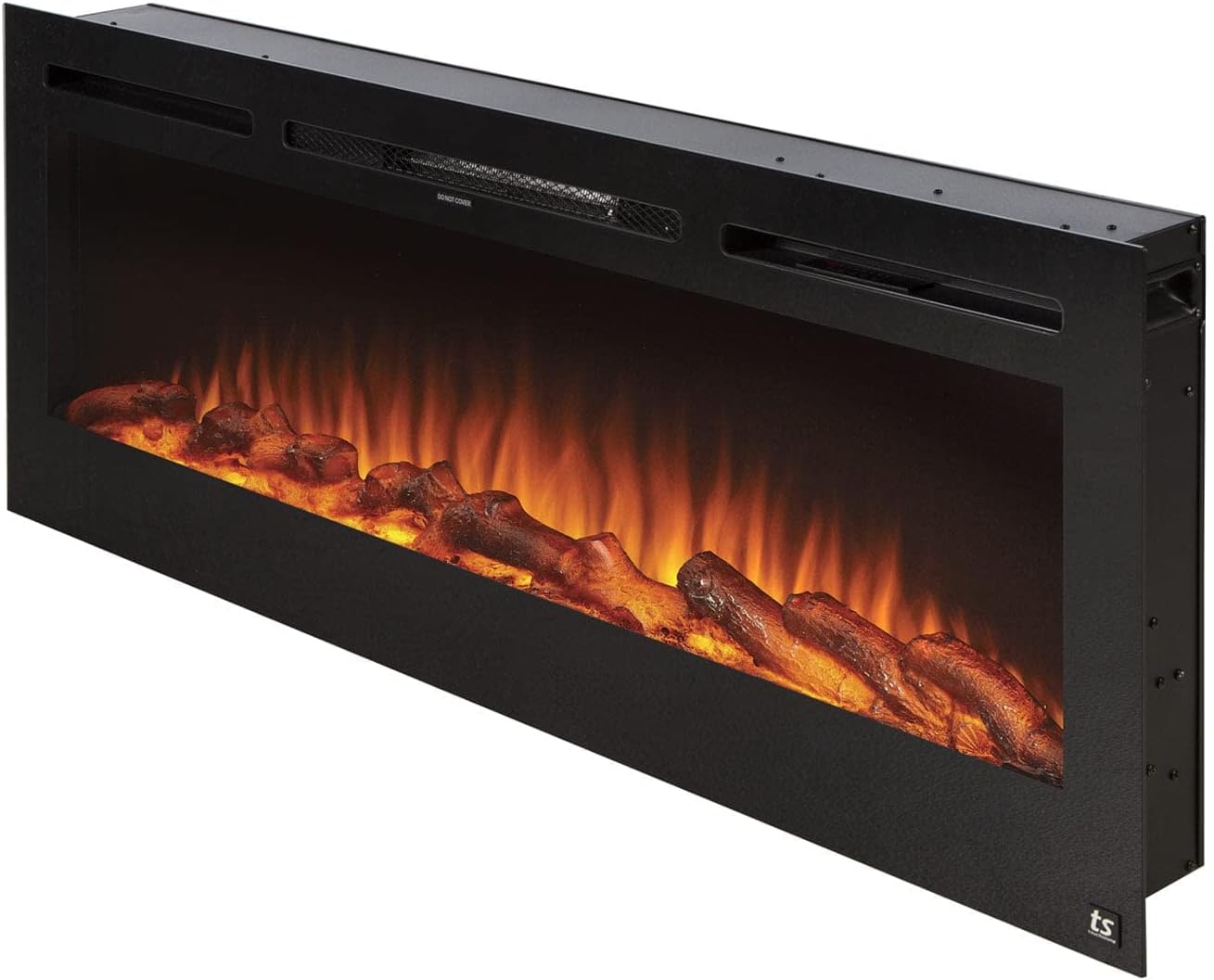
    2. Touchstone Sideline Recessed Mounted Electric Fireplaces
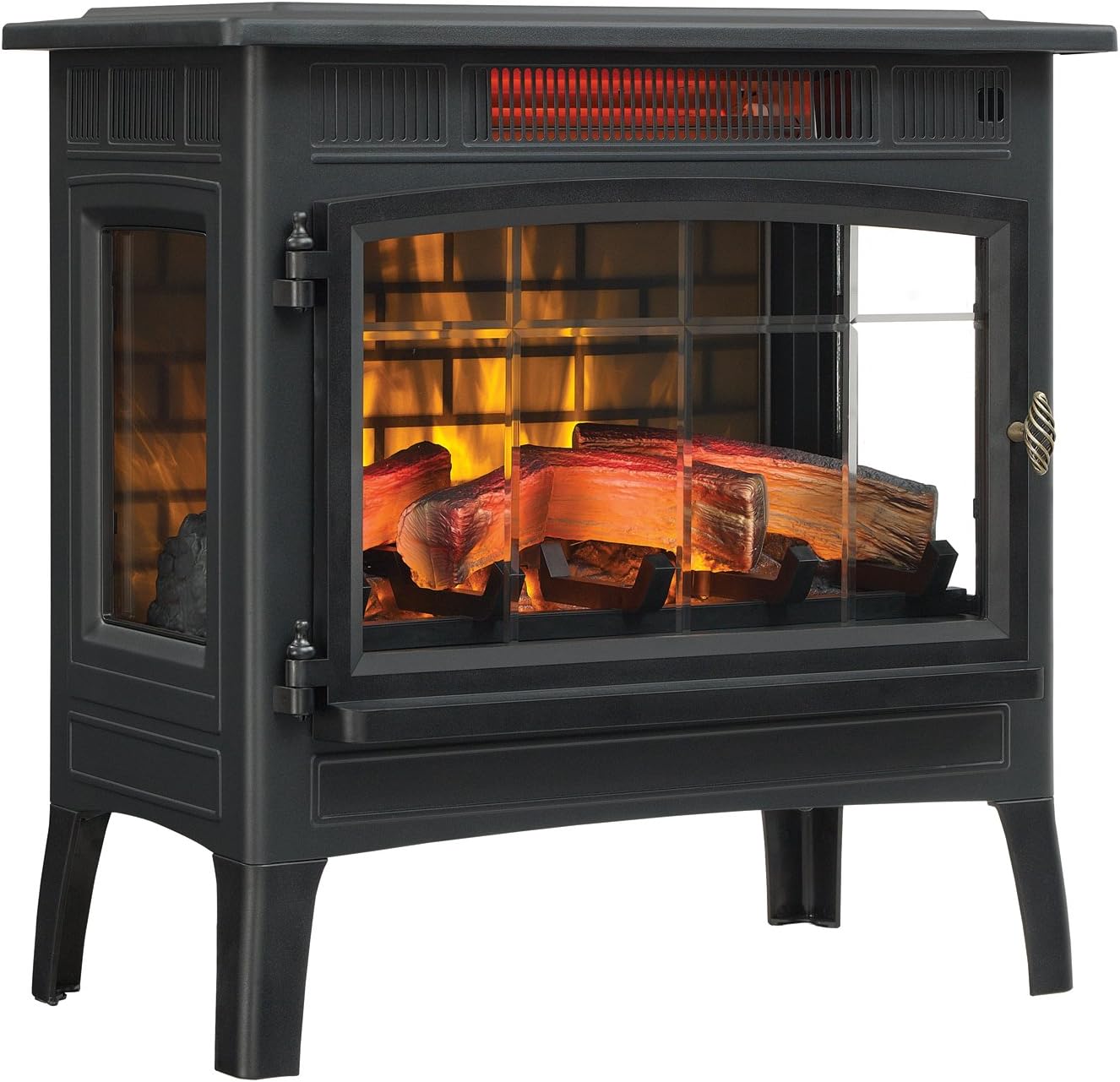
    3. Duraflame DFI-5010-01 Infrared Quartz Fireplace Stove
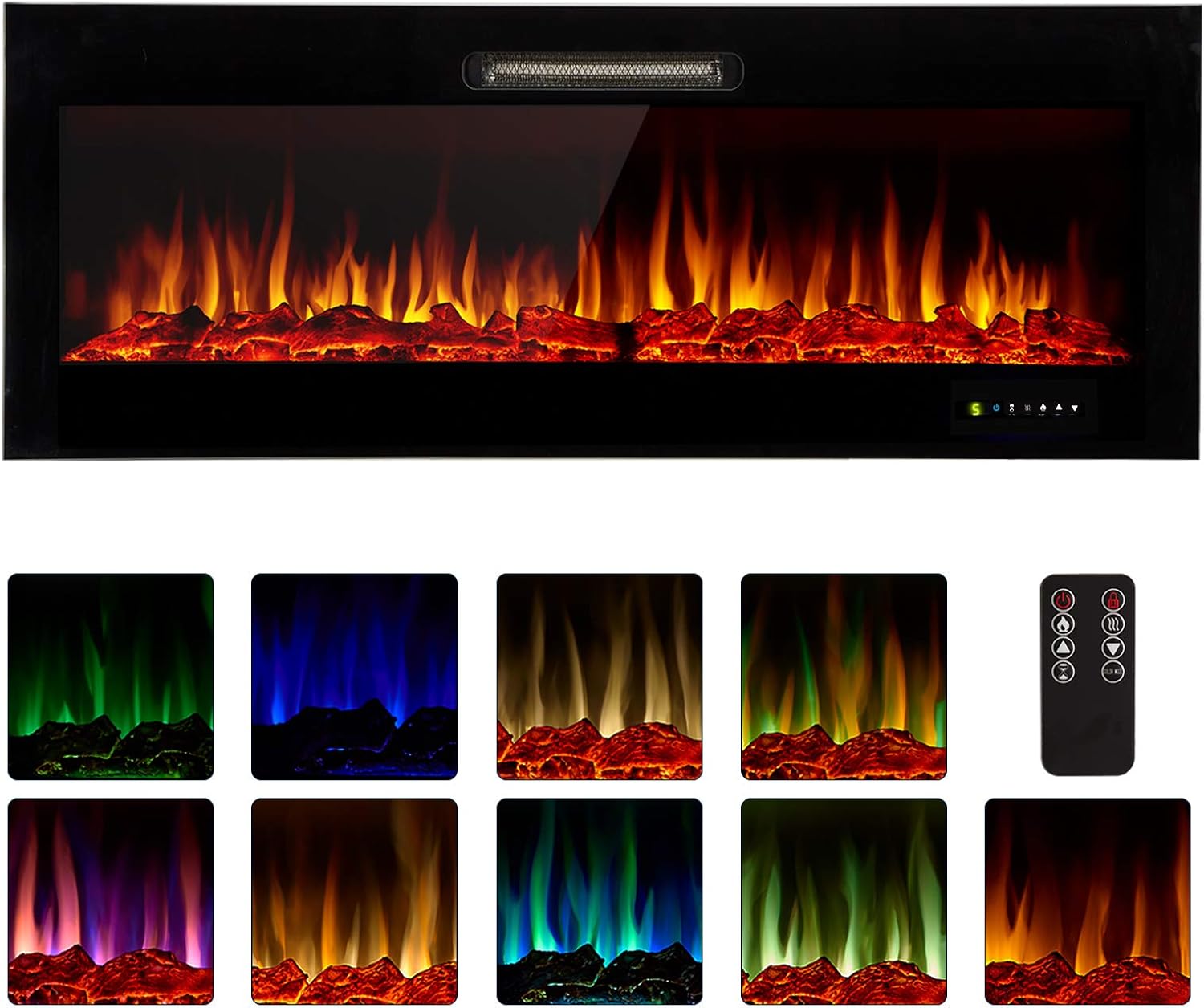
    4. Homedex 50" Recessed Mounted Electric Fireplace
    5. Dimplex BLF50 Wall Mount Electric Fireplace
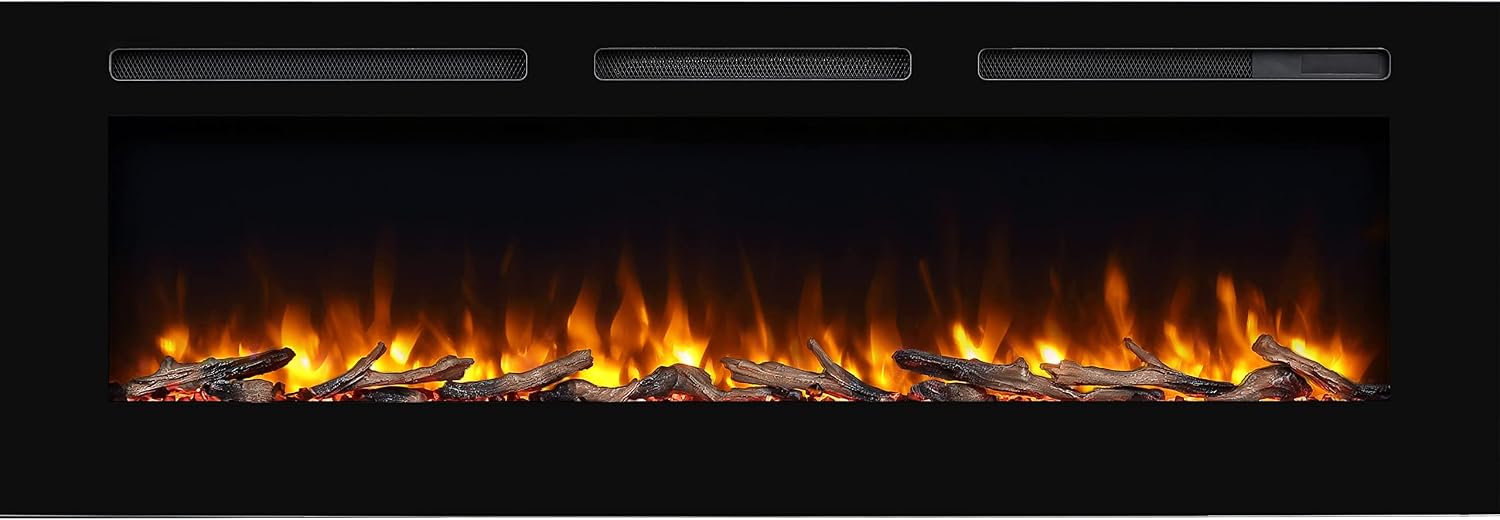
    6. PuraFlame Alice 60" Recessed Electric Fireplace
  1. Why We Need Electric Fireplaces
  2. What Should Consider Before Buying
  3. How We Tested These Fireplaces
  4. Why Trust Us
  5. Frequently Asked Questions

Now, let's peel back the curtain on our first two contenders.

Our Top Picks

1. R.W.FLAME Electric Fireplace


Straight out of a futuristic movie set, this electric fireplace from R.W.FLAME sports an impressive 50-inch width and a sleek, modern design. It's more than just a pretty face though; this fireplace delivers the cozy goods with a heat output that would make a polar bear sigh with contentment.

The adjustable flame effects are like a fiery chameleon, able to blend with your mood or decor at the touch of a remote. Throw in the choice between wall-mounted or in-wall installation, and this fireplace becomes the answer to your winter prayers.

The eco-friendly LED technology means you can enjoy the cozy ambiance without the guilt of a high-energy bill. And if you're the forgetful type, fear not! The timer function means your fireplace won't be partying into the night after you've hit the hay.

2. Touchstone Sideline Recessed Mounted ElectricFireplaces


If you're searching for an electric fireplace that screams elegance, the Touchstone Sideline has you covered. With its realistic flames and choice of traditional logs or crystal hearth, this fireplace could charm a snowman into melting.

One of the most striking features of this model is its whopping 60-inch width. It's like having your very own, personal wall of fire. Plus, the heat settings range from toasty to "Did I just step into the Sahara?"

The Touchstone Sideline isn't just about the heat though. The flame effect can run without the heater, meaning you can enjoy a mid-summer blaze without breaking a sweat. This electric fireplace isn't just a winter fling, it's a year-round romance.

3. Duraflame DFI-5010-01 Infrared Quartz Fireplace Stove


Now, let's talk about the Duraflame Infrared Quartz Fireplace Stove. This little wonder might look like something out of a quaint cottage, but it packs a punch that's anything but small.

With its infrared quartz heat, this fireplace warms you up without sucking the moisture out of the air. Think of it as a tropical island in the midst of winter, sans palm trees and coconuts.

This Duraflame model offers a bevy of flame effects. From a sedate smolder to a full-on blaze, it has the power to transform your living room into a cozy haven with the flick of a switch.

One look at its old-school design, and you'll feel like you're in a charming English novel, minus the drama and corsets. Plus, the safety features make sure that the only thing this stove ignites is your love for staying warm.

4. Homedex 50" Recessed Mounted Electric Fireplace


The Homedex Recessed Mounted Electric Fireplace is like the James Bond of fireplaces – sleek, sophisticated, and packed with features. With a 50-inch width, this model brings both warmth and an unmistakable touch of class to any room.

From the comfort of your couch, you can use the remote to control the heat and flame settings, making it your personal agent of warmth. You can even set a timer to ensure it only operates when you need it.

But the Homedex isn't just about function. Its flame effects range from soft glow to roaring blaze, letting you set the mood for anything from a quiet read to a lively gathering. With this fireplace, you're not just buying a heater; you're investing in an experience.

5. Dimplex BLF50 Wall Mount Electric Fireplace


The Dimplex BLF50 Wall Mount Electric Fireplace is like a warm hug from a loved one - comforting, soothing, and just what you need after a long day. With a 50-inch width, this wall-mounted marvel can turn your living room into a sanctuary of warmth.

The patented LED flame technology offers an array of flame effects, allowing you to set the mood with the touch of a button. From a tranquil ember glow to a full-blown blaze, this fireplace is all about customizing your cozy experience.

The Dimplex BLF50 isn't just a pretty face though. It has a powerful heater that can tackle the chill like a champion. Plus, the safety cut-off ensures that your fireplace will shut down if it overheats, keeping you and your loved ones safe.

6. PuraFlame Alice 60" Recessed Electric Fireplace


If Alice were in Wonderland today, she'd probably swap her rabbit hole for this PuraFlame Electric Fireplace. Boasting a 60-inch width and a sleek, modern design, this model is like the wonderland of warmth.

The adjustable flame effects are as mesmerizing as the Cheshire Cat's grin, able to transform from a gentle glow to a vibrant blaze. The heater is no slouch either, with enough power to banish the cold from any room.

One of the unique features of the PuraFlame Alice is the ember bed, which is switchable between logs, crystals, and pebbles. So, you can change the ambiance of your room faster than the Queen of Hearts can shout, "Off with their heads!"

Why We Need Electric Fireplaces

Do you know that thrill of coming home to a warm house after a day out in the cold? That's the magic electric fireplaces bring. They turn homes into havens of heat with the flick of a switch. And unlike their wood-burning cousins, there's no mess, no smoke, and no risk of chimney fires. They're like a domesticated dragon - all the warmth, none of the danger.

Electric fireplaces are also champs at multitasking. Not only do they heat your rooms, but they also add a cozy ambiance. With their realistic flame effects, they can transform a plain room into a cozy retreat quicker than you can say 'marshmallow'.

They're also as easy to install as a pop song is to get stuck in your head. No chimney? No problem! Simply plug them in, and voila - instant coziness!

What Should Consider Before Buying

Finding your perfect electric fireplace isn't as simple as throwing a dart at a board. It takes a bit of thought. Here's a checklist to get you started:

  1. Size: Measure your room, then check the heat output of the fireplace. It's like finding the right shoe size, but for your living space.
  2. Design: Do you prefer modern sleekness or vintage charm? There's a fireplace for every style, so pick one that matches your decor.
  3. Heat settings: Look for a fireplace with adjustable heat settings. It's like a thermostat you can cozy up to.
  4. Flame effects: If you're after ambiance, a fireplace with variable flame effects will be your best friend.
  5. Safety features: Fireplaces with an automatic cut-off prevent overheating, offering peace of mind along with warmth.

How We Tested These Fireplaces

We subjected each fireplace to a grueling regime of tests, like a fitness trainer for appliances. We measured heat output, checked safety features, tested remote controls, and examined flame effects. We also checked energy consumption and noise levels. Basically, we put these fire

Why Trust Us

Just as a warm blanket envelops you on a cold night, our commitment to providing unbiased, thorough reviews covers every word we write. We have zero ties to any manufacturers. Our only allegiance is to you, dear readers, in helping you find the best electric fireplace to suit your needs.

Our reviewers are seasoned pros who have tested more electric fireplaces than a snowman has nightmares about. They spend hours, days, even weeks, poking, prodding, and testing each model. Their hands may get cold, but their resolve never does.

We're not here to sell you any particular brand or model. Our goal is simple: to guide you through the snowy landscape of electric fireplace options and lead you to the warmth of an informed decision.

Frequently Asked Questions

1. Do electric fireplaces really heat a room?

Yes, indeed! These magic boxes can heat a room quicker than a cat finds the warmest spot. The heating capacity varies, so choose one that suits your room size.

2. Can I use an electric fireplace without heat?

Absolutely! It's like having a pet fire you can coo over without getting singed. Just switch on the flame effect, and enjoy the ambiance without the heat.

3. Are electric fireplaces energy efficient?

They're the Prius of fireplaces! Most models use LED technology, which is much more energy-efficient than traditional bulbs. So, you can enjoy the coziness without the high energy bills.

4. Can electric fireplaces be installed in the wall?

Yes, they can. It's like having a framed painting, but instead of art, it's fire. Just ensure you follow the installation instructions or get a professional to do it.

5. Do electric fireplaces need venting?

Nope, they don't. Unlike their wood and gas counterparts, electric fireplaces don't produce smoke or emissions, so they don't need venting. It's all the warmth without the chimney sweep!

Powered by Blogger.